When a tooth becomes badly damaged, infected or painful, patients are often faced with a difficult question: should the tooth be saved with a root canal, or would it be better to remove it?
It is understandable to want a simple answer. Root canal treatment has a reputation for being complicated, while extraction can sound like the quicker and easier option. But the decision is not usually as straightforward as choosing whichever treatment seems easier on the day.
A tooth that can be successfully restored and kept in the mouth may have important advantages for chewing, maintaining your natural bite and preserving the surrounding teeth. On the other hand, there are situations where a tooth is too damaged or compromised to be predictably saved, making extraction the more appropriate option.
The important thing is that the decision should be based on the condition of the individual tooth rather than on assumptions about which treatment is generally better.
A dentist will consider the amount of healthy tooth structure remaining, the condition of the tooth’s roots, the surrounding bone and gums, the extent of any infection or damage, and whether the tooth can realistically be restored after treatment.
Understanding the difference between the two options can help you have a much more informed conversation with your dentist.
Discuss Your Tooth Treatment Options
Not sure whether your tooth may need a root canal or extraction? Fill in the form below to tell the Laomai Medical Centre team about your dental concern and request an assessment.
What Is a Root Canal Treatment?
A root canal treatment is a procedure used to treat the inside of a tooth when the pulp has become inflamed, infected or irreversibly damaged.
The pulp is the soft tissue located inside the tooth, containing nerves and blood vessels. When decay, cracks, trauma or other damage reaches this part of the tooth, it can become painful and may eventually become infected.
During root canal treatment, the dentist removes the affected tissue from inside the tooth, cleans and disinfects the internal spaces, and then seals the tooth. The tooth is subsequently restored so that it can continue functioning in the mouth.
The purpose is not simply to stop toothache. The larger goal is to remove the source of the problem while preserving the natural tooth where possible.
This is why root canal treatment is generally considered when a tooth still has enough healthy structure to be restored and has a reasonable chance of functioning successfully afterwards.
What Is a Tooth Extraction?
A tooth extraction involves removing a tooth from its socket.
Although extraction is a common dental procedure, it is not always the first choice when a damaged tooth could otherwise be saved. Removing a tooth permanently eliminates that particular tooth, which means the consequences can extend beyond the extraction itself.
However, there are circumstances where keeping a tooth may not be practical or predictable.
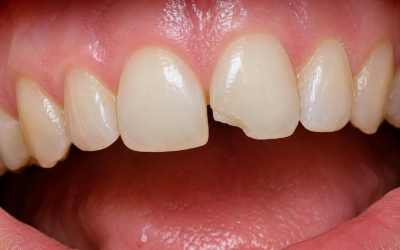
A tooth can sometimes be so extensively damaged by decay, trauma or other problems that there is not enough healthy structure left to restore it properly. In other cases, the tooth may have a poor prognosis because of problems involving the roots or supporting tissues.
When this happens, extraction may provide a safer or more predictable solution.
Root Canal vs Extraction: Which One Is Better?
There is no universal winner between root canal treatment and extraction.
If a tooth can be predictably restored and maintained, preserving the natural tooth is often an attractive option. Natural teeth have a role in chewing and maintaining the normal relationship between the teeth.
But preserving a tooth only makes sense when the tooth has a realistic chance of remaining healthy and functional.
If a tooth is severely fractured, extensively damaged or otherwise considered unrestorable, attempting to save it may result in additional treatment without a reliable long-term outcome.
This is why your dentist needs to examine the tooth before recommending one option over the other.
The question should not simply be, “Which procedure is easier?”
It should be, “Which option gives this particular tooth the most appropriate long-term outcome?”
When Is a Root Canal Usually Considered?
Root canal treatment may be considered when the pulp inside a tooth has become significantly inflamed or infected but the tooth itself remains restorable.
This can happen when deep decay reaches the inner part of the tooth. A crack or significant trauma can also damage the pulp.
Patients may experience prolonged sensitivity to hot or cold, spontaneous toothache, pain when biting or a throbbing sensation. However, symptoms can vary considerably, and some teeth with significant internal problems may cause surprisingly little pain.
This is why the absence of severe pain does not necessarily mean that a tooth does not need treatment.
If the dentist determines that the tooth can be restored and has a reasonable prognosis, root canal treatment may allow the natural tooth to remain in place.
When Might Extraction Be the Better Option?
Extraction may be considered when a tooth cannot be predictably restored.
For example, a tooth may have extensive decay that has destroyed too much of its structure. A severe fracture may also make restoration impractical, particularly if the damage extends into a part of the tooth that cannot be reliably repaired.
The supporting structures around the tooth also matter.
If a tooth has significant problems involving the surrounding bone or gums, simply treating the inside of the tooth may not solve the larger problem.
There can also be situations where a tooth has already undergone previous treatment and continues to have a poor prognosis.
In these circumstances, extraction may offer a more predictable way of resolving the problem.
Can a Very Damaged Tooth Still Be Saved?
Sometimes, yes.
A tooth can look extremely damaged from a patient’s perspective while still having enough healthy structure for a dentist to restore it.
The opposite can also happen. A tooth may look relatively normal from the outside while having significant problems internally or around its roots.
This is one of the reasons it is difficult to determine whether a tooth needs a root canal or extraction simply by looking in the mirror.
Your dentist needs to assess the tooth properly and, where appropriate, use dental imaging to understand what is happening below the visible surface.
The decision is based on whether there is enough healthy tooth and supporting tissue to provide a predictable foundation for restoration.
What Happens If You Choose a Root Canal?
The exact process depends on the tooth and the extent of the problem, but root canal treatment generally involves accessing the inside of the tooth, removing diseased or damaged pulp tissue, cleaning the internal canals and sealing them.
The tooth then needs to be restored so that it can function again.
The restoration is an important part of the overall process. A tooth that has undergone root canal treatment may have lost substantial tooth structure because of decay, cracks or previous restorations. Depending on the individual situation, the dentist may recommend an appropriate restoration to protect and strengthen the remaining tooth.
The aim is to return the tooth to useful function while protecting it from further damage.
What Happens After a Tooth Is Extracted?
Extraction removes the immediate problem tooth, but treatment does not necessarily end when the tooth is removed.
Once a tooth has been extracted, there is an empty space where the tooth previously sat. What happens next depends on the location of the tooth, the patient’s bite and the overall condition of the mouth.
For some patients, leaving the space may be an option. For others, replacing the missing tooth may be recommended.
Replacement options can include different types of dental restorations, depending on the patient’s needs and circumstances.
This is an important consideration when comparing extraction with root canal treatment.
The cost, time and treatment involved in replacing a missing tooth should form part of the wider conversation rather than being considered separately.
What Are the Advantages of Saving a Natural Tooth?
When a tooth can be predictably treated and restored, keeping it has some obvious advantages.
The tooth remains part of your natural chewing system, and you avoid immediately creating a gap that may later need to be addressed.
Keeping the natural tooth can also help preserve the existing arrangement of the teeth.
Every tooth plays a role in the way the upper and lower teeth meet. When one is removed, the surrounding teeth may be affected over time, although the extent of these changes varies from person to person.
Preserving a natural tooth is therefore often worth considering when the tooth has a reasonable prognosis.
That does not mean root canal treatment should be attempted at any cost. A tooth with a very poor prognosis may not benefit from repeated attempts to preserve it.
What Are the Advantages of Extraction?
Extraction has one major advantage: it removes the problematic tooth.
If a tooth cannot be predictably restored, removing it can eliminate a source of pain, infection or repeated dental problems.
In some cases, extraction may also be a simpler and more predictable treatment than attempting to preserve a tooth with extensive damage.
However, the fact that extraction can resolve the immediate tooth problem does not mean there are no consequences.
The missing tooth may eventually need to be replaced, particularly if it plays an important role in chewing or maintaining the patient’s bite.
The decision should therefore consider both the immediate problem and what happens afterwards.
Is a Root Canal More Painful Than an Extraction?
Many patients are particularly worried about pain when they hear the words “root canal.”
Modern dental treatment is designed to manage discomfort during procedures, and local anaesthetic is commonly used for both root canal treatment and extraction.
What patients experience afterwards can vary depending on the condition of the tooth and the treatment performed.
It is also worth remembering that the pain caused by an infected or severely inflamed tooth can be significant before treatment begins.
For many patients, the fear of the procedure is greater than the actual experience.
If you are anxious about dental treatment, tell your dentist. Understanding what will happen and discussing your concerns beforehand can make the experience much easier.
Is Extraction Quicker Than Root Canal Treatment?
Extraction can sometimes be completed more quickly than root canal treatment, but comparing the procedures purely by appointment length can be misleading.
An extraction removes the tooth, whereas root canal treatment is an attempt to treat and preserve it.
After an extraction, there may be another decision to make about replacing the missing tooth. That replacement can involve additional appointments and treatment.
Root canal treatment may require its own series of appointments and a final restoration, depending on the tooth and the complexity of the case.
The better comparison is therefore not simply “Which procedure takes less time?”
It is “Which treatment makes the most sense for the condition of the tooth and the long-term plan for my mouth?”
Which Treatment Is More Expensive?
There is no reliable way to say that one option is always cheaper.
The cost of root canal treatment depends on factors such as which tooth is being treated, the complexity of the canals, the extent of damage and the restoration required afterwards.
Extraction may have a lower immediate treatment cost in some situations, but that does not necessarily represent the total cost of choosing extraction.
If the missing tooth needs to be replaced later, additional treatment will add to the overall expense.
This is why patients should look at the complete treatment pathway, rather than comparing the price of a root canal with the price of an extraction as though they produce exactly the same result.
If cost is a concern, discuss it openly with your dentist. Understanding the available options and the likely future treatment can help you make a more informed decision.
What Happens If You Extract a Tooth and Do Not Replace It?
Not every missing tooth needs to be replaced immediately, but leaving a gap can have consequences depending on where the tooth was and the individual’s bite.
The remaining teeth can experience changes in how forces are distributed during chewing. Over time, neighbouring or opposing teeth may also move into the space.
The significance of these changes varies considerably between patients.
A missing back tooth, for example, may have different functional implications from a missing front tooth.
This is why the decision to extract should ideally include a discussion about what happens after the extraction.
If replacement is recommended, your dentist can explain the options that may be suitable for your particular situation.
Talk to Laomai Medical Centre About Your Treatment Options
If you have been told that a tooth may need a root canal or extraction, complete the form below to ask the Laomai Medical Centre team about your treatment options.
Can a Root Canal Fail?
Root canal treatment has the goal of treating the affected tooth, but no dental procedure can guarantee that a tooth will last forever.
A treated tooth can develop problems again in some circumstances.
The outcome can depend on the original condition of the tooth, the complexity of its internal anatomy, the quality of the treatment and restoration, and what happens to the tooth afterwards.
A tooth that has been successfully treated still needs normal oral hygiene and ongoing dental care.
If a previously treated tooth becomes painful, swollen or otherwise changes, it should be reassessed rather than assumed to be permanently protected because it has already had a root canal.
Can an Extracted Tooth Ever Be Replaced?
Yes.
If a tooth is removed, there are several ways a dentist may approach replacement depending on the location of the missing tooth and the patient’s oral health.
Dental implants, bridges and dentures can all play a role in replacing missing teeth, although they are not suitable for every patient or every situation.
Replacement is not necessarily performed immediately after an extraction.
The dentist may first want the extraction site to heal or may need to address other oral health issues before moving forward.
This is another reason the decision between root canal treatment and extraction should be viewed as part of a larger treatment plan.
What Factors Does a Dentist Consider Before Recommending Root Canal or Extraction?
The decision involves much more than simply looking at whether a tooth hurts.
Your dentist may consider how much healthy tooth structure remains, whether the tooth can be adequately restored, the condition of the roots and surrounding tissues, the extent of infection or inflammation, and whether the tooth has a reasonable long-term prognosis.
The position of the tooth can also matter.
A front tooth, premolar and molar have different shapes and functions, and treatment can vary accordingly.
Previous dental work is another consideration. A heavily restored tooth may have different treatment considerations from a tooth that has never been filled.
Your overall oral health and the condition of the surrounding teeth can also influence the treatment plan.
The final recommendation should therefore be based on a proper clinical assessment rather than a general rule.
Why Dental X-Rays May Be Important
Some of the most important information about a damaged or painful tooth is not visible from the outside.
Dental imaging can help the dentist assess the roots, surrounding bone and other structures that cannot be evaluated adequately through a visual examination alone.
This can be particularly useful when deciding whether a tooth is suitable for root canal treatment or whether there are other factors that affect its prognosis.
An X-ray is not automatically a sign that a problem is severe. It is simply one of the tools a dentist may use to understand what is happening.
The information gathered from the examination and imaging can then be considered together when deciding on the most appropriate treatment.
What If the Tooth Is Infected?
An infected tooth needs professional attention.
Depending on the source and extent of the infection, treatment may involve root canal therapy when the tooth is restorable or extraction when the tooth cannot be predictably saved.
The important thing is to address the source of the infection.
Simply taking pain medication may make the symptoms easier to tolerate, but it does not remove the underlying dental problem.
Likewise, antibiotics are not automatically the solution for every painful tooth. Where appropriate, a dentist may recommend antibiotics as part of treatment, but the underlying dental source still needs to be managed.
If you have swelling, fever or worsening pain, contact a dental professional rather than trying to manage a suspected infection indefinitely at home.
What If You Are Afraid of Losing Your Tooth?
It is completely understandable to feel emotional about the possibility of losing a tooth.
For many people, an extraction feels permanent in a way that other dental treatments do not.
If your dentist recommends extraction, it does not necessarily mean that there were no alternatives. It may mean that, after assessing the tooth, saving it would not provide a predictable outcome.
If you are uncertain, ask your dentist why the tooth cannot be restored and whether there are other clinically appropriate options.
A good dental discussion should allow you to understand the reasoning behind the recommendation rather than simply hearing that a tooth needs to be removed.
What If You Are Afraid of Root Canal Treatment?
Root canal treatment has a reputation for being frightening, but much of that fear comes from stories people have heard rather than from their own experience.
Dental treatment has changed significantly over time, and dentists use local anaesthetic and other measures to make procedures as comfortable as possible.
If you are anxious, tell the dental team before treatment begins.
You can ask what will happen during the procedure, how long the appointment may take and what you can expect afterwards.
Knowing what to expect can make an unfamiliar procedure feel much less intimidating.
Most importantly, do not avoid necessary dental treatment solely because you are afraid of what the procedure might feel like.
Untreated dental problems can themselves become painful and more complicated.
When Saving the Tooth Makes Sense
If a tooth has enough healthy structure remaining, the supporting tissues are suitable and the dentist believes it has a reasonable long-term prognosis, preserving it can be a worthwhile goal.
Root canal treatment can remove diseased tissue from inside the tooth while allowing the remaining natural structure to stay in place.
This can be particularly valuable when the tooth has an important role in chewing or when preserving the existing arrangement of the teeth is desirable.
However, saving the tooth should always be based on a realistic prognosis.
The objective is not simply to keep a tooth at all costs. It is to preserve a tooth that can be treated successfully and function appropriately.
When Extraction May Make More Sense
There are circumstances where removing a tooth is the more sensible choice.
If there is not enough healthy structure left to support a restoration, if the tooth is severely fractured or if the surrounding tissues cannot adequately support it, attempting to save the tooth may not be worthwhile.
Repeated treatment on a tooth with a very poor prognosis can also result in more appointments, additional expense and continued discomfort without delivering a satisfactory long-term outcome.
In these situations, extraction can provide a more predictable resolution.
The important thing is to understand why extraction has been recommended and what the plan is for the missing tooth afterwards.
Do Not Choose Based on Pain Alone
A common mistake is to assume that the treatment for the most painful tooth must automatically be the more serious treatment.
Pain does not work that way.
The severity of pain does not always correspond directly to the amount of structural damage, and some significant dental problems can produce surprisingly few symptoms.
Likewise, a tooth that is extremely painful may still be treatable and worth preserving.
This is why the decision between root canal treatment and extraction should never be based solely on how much the tooth hurts.
The condition of the tooth needs to be properly assessed first.
Root Canal or Extraction: Look at the Bigger Picture
If you are choosing between root canal treatment and extraction, think beyond the appointment itself.
Consider what happens to the tooth after treatment.
With root canal treatment, the natural tooth remains, but it may require a suitable restoration and ongoing care.
With extraction, the problematic tooth is removed, but you may then need to consider the effect of the missing tooth and whether replacement is appropriate.
There is also the financial side, the time involved, your comfort, the condition of the surrounding teeth and your long-term oral health.
A treatment that appears simpler today may create another treatment decision later.
That does not automatically make it the wrong choice. It simply means the decision should be made with the full picture in mind.
So, Which Is Better for Your Tooth?
There is no single answer.
Root canal treatment may be the better option when the tooth is restorable and has a reasonable chance of remaining functional after treatment.
Extraction may be the better option when the tooth cannot be predictably restored or has a very poor prognosis.
The important part is not choosing between two procedures based on fear, price or what worked for someone else.
Your tooth is unique, and its condition needs to be assessed individually.
A dentist can examine the tooth, consider any relevant imaging, explain the prognosis and discuss the available options with you.
If saving the tooth is realistic, you can then make an informed decision about whether root canal treatment is appropriate. If the tooth cannot be predictably saved, understanding the reason for extraction and discussing replacement options can help you plan what happens next.
Make an Informed Decision About Your Tooth
Complete the form below to request an assessment at Laomai Medical Centre and discuss whether root canal treatment, extraction or another treatment may be appropriate for your tooth.
The Most Important Question Is Whether the Tooth Can Be Saved Reliably
When patients hear “root canal or extraction”, it is natural to focus on which procedure sounds easier, cheaper or less painful.
But the most important question is usually more fundamental:
Can the tooth be restored successfully and maintained in the mouth?
If the answer is yes, preserving the natural tooth may offer significant advantages.
If the answer is no, extraction may prevent you from spending time and money attempting to preserve a tooth that has little chance of providing a satisfactory long-term result.
That distinction is what makes a professional assessment so important.
Rather than deciding based on online information alone, have the tooth examined and ask your dentist to explain what they see, what the prognosis is and what your realistic options are.
Book Your Dental Assessment
If you are experiencing pain, damage or infection in a tooth, fill in the form below to request an appointment with Laomai Medical Centre and discuss the most appropriate treatment for your situation.