A toothache can be difficult to ignore, but it can also be surprisingly easy to put off.
Maybe the pain only appears when you drink something cold. Perhaps one tooth feels uncomfortable when you bite down, but otherwise seems fine. Or you may have a dull, throbbing ache that comes and goes throughout the day.
Not every toothache is a dental emergency. However, that does not mean that persistent tooth pain should simply be left alone.
Toothache is usually a sign that something is affecting the tooth, gums or surrounding tissues. The cause could be relatively straightforward, such as tooth decay or sensitivity, or it could involve a more advanced problem that needs prompt treatment.
The difficult part for many patients is knowing where to draw the line.
Should you make a normal dental appointment? Should you try to manage the discomfort for a few days? Or is the pain serious enough that you need urgent dental attention?
Understanding the different warning signs can help you make that decision.
If you have severe pain, swelling, fever, difficulty swallowing or breathing, or a serious injury involving your teeth or jaw, do not wait for a routine appointment. These symptoms can require urgent assessment.
For less severe but persistent toothache, arranging a dental examination is still important. The earlier the cause is identified, the easier it may be to deal with the problem before it develops further.
Get Help With Your Toothache
Not sure whether your toothache needs attention? Fill in the form below to tell the Laomai Medical Centre team about your symptoms and request an appointment.
What Causes a Toothache?
There is no single type of toothache.
Dental pain can come from different parts of the tooth and surrounding tissues, which is why the sensation can vary so much between patients.
Tooth decay is one of the more common causes. As decay progresses, it can move deeper into the tooth. A person might initially notice sensitivity to cold or sweet foods, followed by discomfort that lasts longer or eventually occurs without any obvious trigger.
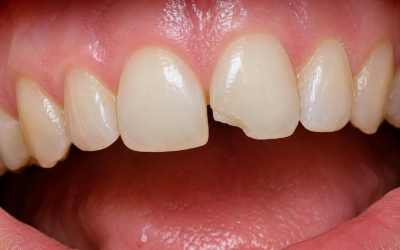
A cracked or damaged tooth can cause another type of pain. Some patients notice discomfort mainly when biting down or releasing their bite. A crack may not always be visible when looking at the tooth yourself.
Problems affecting the gums can also produce soreness around the teeth. Inflammation, infection and more advanced gum disease can all affect the tissues that support the teeth.
Dental trauma is another possibility. A tooth can become painful after being hit, knocked or subjected to significant pressure, even when there is no obvious piece missing.
There are also situations where pain that feels as though it is coming from a tooth may have another source. This makes an examination particularly useful when the location or cause of the pain is unclear.
Is Every Toothache a Dental Emergency?
No.
This is one of the most important distinctions to understand.
A toothache can be painful and still not require a trip to an emergency department. At the same time, a problem that starts as an ordinary toothache can become urgent if certain symptoms develop.
A mild sensitivity that lasts a few seconds after drinking something cold is very different from severe, constant pain accompanied by facial swelling and fever.
Rather than judging the situation purely by how painful it feels, look at the bigger picture.
Consider whether the pain is getting worse, whether it is interfering with sleep or eating, whether there is swelling, whether you have developed a fever, and whether you are experiencing difficulty opening your mouth, swallowing or breathing.
Those additional symptoms can change how urgently you should seek care.
When Should You Make a Normal Dental Appointment?
If your toothache is persistent, keeps returning or has no obvious explanation, it is a good idea to arrange a dental examination.
You do not need to wait until the pain becomes unbearable.
A tooth that hurts every few days, reacts strongly to certain foods, becomes painful when you chew or starts aching for no obvious reason is giving you a reason to have it checked.
This is particularly important when the problem has been present for several days.
Some dental problems can develop gradually. You might still be able to work, sleep and eat normally while the underlying condition is becoming more established.
A dental appointment gives the dentist an opportunity to examine the affected tooth, assess the surrounding tissues and determine what may be causing the discomfort.
Toothache That Comes and Goes Should Not Be Ignored
Pain that disappears can be misleading.
You may experience toothache on Monday, feel completely fine on Tuesday and then notice it again later in the week. Because the pain is not constant, it can seem as though the problem has resolved.
That is not necessarily the case.
Some dental problems produce symptoms only under particular circumstances. Cold drinks, chewing pressure, sugary foods or even lying down may make the discomfort more noticeable.
A recurring toothache is therefore worth mentioning to your dentist, even if you happen to feel fine on the day of your appointment.
Try to remember what triggers the pain and how long it normally lasts. That information can help your dentist understand the pattern.
What Does a Serious Toothache Look Like?
A serious toothache is not defined by one specific pain level.
Instead, there are several symptoms that can indicate that you should seek dental attention sooner rather than later.
Severe or worsening pain is one obvious warning sign, particularly if it makes it difficult to sleep, eat or carry on with normal activities.
Swelling is another important symptom. A swollen gum, jaw or face can occur with dental infection and should not simply be watched indefinitely.
The South African Department of Health identifies dental abscesses with symptoms including severe throbbing pain, swelling near the tooth or face, pain when the affected tooth is tapped, restricted mouth opening and difficulty chewing.
A fever can also be significant, particularly when it occurs alongside dental swelling.
If your symptoms are becoming more severe instead of settling, that is a good reason to seek professional assessment.
Toothache With Swelling Needs Prompt Attention
Swelling around a painful tooth is something you should take seriously.
A small amount of gum irritation is not necessarily the same as swelling of the cheek, jaw or face. When swelling becomes noticeable around a painful tooth, an infection may be involved.
A dental abscess is an infection associated with a tooth and can cause severe pain, swelling and difficulty chewing or opening the mouth. South African primary healthcare guidance specifically identifies these symptoms as features of dental abscesses.
The location and extent of swelling also matter.
Swelling that remains localised around one tooth should still be assessed, but swelling that is spreading across the face or towards the neck is considerably more concerning.
Do not wait for facial swelling to become severe before seeking help.
When Toothache Becomes an Emergency
There is a difference between needing an urgent dental appointment and experiencing a medical emergency.
If a dental problem is causing difficulty breathing or swallowing, the situation needs immediate medical attention.
Significant swelling involving the face, mouth or neck can potentially affect the airway. Difficulty swallowing, speaking or breathing is therefore not something to monitor at home while waiting for a dentist to become available.
Serious facial or jaw injuries and uncontrolled bleeding following trauma also require urgent assessment.
South African primary healthcare guidance recommends urgent referral for certain combinations of dental symptoms, including fever with facial or jaw swelling, inability to eat or drink, and tooth pain that occurs without touching the tooth or wakes a patient at night.
If you are dealing with a potentially life-threatening emergency, seek emergency medical care rather than waiting for a routine dental appointment.
Toothache and Fever
A fever alongside dental pain deserves attention.
A temperature can be a sign that the body is responding to infection, particularly when it occurs together with swelling, increasing pain or other symptoms.
The South African Department of Health’s primary care guidance specifically identifies a temperature of 38°C or higher together with swelling of the face, jaw or area next to a tooth as a reason for urgent attention.
This does not mean that every person with a toothache and a slightly raised temperature has a serious dental infection.
It does mean that the combination should not be dismissed.
If you have a fever and significant dental symptoms, contact a dental professional promptly and explain all of the symptoms rather than mentioning only the toothache.
What If the Toothache Wakes You at Night?
Toothache that wakes you from sleep is another symptom worth taking seriously.
Pain that becomes strong enough to interrupt sleep is different from occasional sensitivity that disappears almost immediately.
South African primary healthcare guidance lists tooth pain that occurs without touching the tooth or gum, or that wakes a patient at night, among symptoms requiring urgent attention.
Night-time pain can also be particularly difficult because there are fewer opportunities to obtain routine dental care outside normal practice hours.
If this happens once and then disappears completely, it may not necessarily mean that you need emergency care. However, recurring night-time toothache should not be ignored.
Arrange a dental assessment and explain that the pain is affecting your sleep.
Toothache When You Bite Down
Pain when chewing is a useful detail to tell your dentist.
You might find that the tooth feels fine when you are sitting still but becomes painful when you bite into bread, meat or another firm food.
Some people experience pain when they put pressure on the tooth, while others notice discomfort when they release the bite.
There are several possible causes, including damage to the tooth, decay or problems affecting tissues around the tooth.
It is not possible to determine the cause simply from the symptom.
However, if you have started avoiding one side of your mouth because chewing hurts, that is a good indication that the tooth should be assessed.
Tooth Sensitivity to Hot and Cold
Not every reaction to hot or cold food means that you have a dental emergency.
Teeth can become sensitive for different reasons, and some sensitivity may be temporary.
The pattern is more important than the fact that sensitivity exists.
Pay attention to whether the discomfort disappears quickly after the food or drink is removed or whether it continues for some time.
Also notice whether the sensitivity is becoming more frequent, whether it affects one particular tooth and whether the tooth has started hurting without exposure to hot or cold.
Persistent or worsening sensitivity is worth discussing with a dentist because it may point towards an underlying dental problem that needs attention.
Can a Toothache Go Away on Its Own?
Sometimes the pain does go away.
That does not necessarily mean that the cause has gone away.
Dental pain can fluctuate. A tooth may hurt for a period and then become quiet again. This can happen for different reasons depending on what is affecting the tooth.
The problem with relying on pain as your only warning sign is that some dental conditions do not remain painful all the time.
If you have experienced repeated toothache in the same area, it is better to have it investigated than to assume that everything is fine because you currently feel comfortable.
A temporary improvement is reassuring from a comfort perspective, but it is not the same thing as a diagnosis.
Why You Should Not Wait for the Pain to Become Unbearable
Many people only make a dental appointment once they can no longer tolerate the pain.
That is understandable. Life is busy, and a mild toothache can easily be pushed down the list of priorities.
The problem is that waiting for extreme pain does not necessarily mean you are waiting for the “right” time to seek treatment.
A dental problem may already require attention while the pain is still manageable.
Early assessment can also give you more time to understand the problem, discuss treatment options and plan financially where appropriate.
If you already know that something is wrong, there is little benefit in deliberately waiting for it to become worse.
What Can You Do While Waiting to See a Dentist?
If you have toothache but do not have symptoms requiring emergency medical attention, there are some sensible measures you can take while arranging professional care.
Continue cleaning your teeth, but be gentle around the painful area. Avoid chewing directly on the affected tooth if doing so makes the pain worse.
You may also find that very hot, very cold or particularly sugary foods and drinks aggravate the discomfort. Choosing softer foods and avoiding known triggers can make eating more comfortable temporarily.
For pain relief, use medicines only as directed on the product packaging and consider asking a pharmacist or healthcare professional if you are unsure whether a particular medicine is appropriate for you.
The goal is to manage the discomfort temporarily, not to treat the underlying dental problem yourself.
What Should You Avoid Doing for Toothache?
There are plenty of home remedies shared online for toothache, but not all of them are sensible.
Do not place harsh substances directly against the tooth or gum in an attempt to “kill” the pain. Irritating the surrounding tissue can create another problem without addressing the original cause.
It is also not advisable to use someone else’s prescription medication or leftover antibiotics.
Antibiotics are not a universal treatment for dental pain. Current evidence-based dental guidance recommends against antibiotics for most pulpal and periapical dental pain when appropriate dental treatment can address the cause. Antibiotics may be considered when there are signs of systemic involvement or other clinical reasons determined by a healthcare professional.
The most useful thing you can do is arrange the appropriate assessment.
Do You Always Need Antibiotics for a Toothache?
No.
This is an important misconception because some patients believe that a painful tooth automatically means they need antibiotics.
Antibiotics can be appropriate in certain dental infections, but they are not a substitute for treating the dental problem itself.
For many types of dental pain, the appropriate treatment involves addressing the tooth directly rather than simply taking an antibiotic. Evidence-based guidance recommends prioritising definitive dental treatment for many pulpal and periapical conditions.
If an infection has signs of systemic involvement, such as fever or general illness, antibiotics may form part of treatment under professional guidance.
This is why you should not try to diagnose yourself based solely on the amount of pain you are experiencing.
Why Pain Relief Is Only a Temporary Solution
Pain relief can make a toothache easier to tolerate, but it does not tell you why the tooth hurts.
If decay has reached deeper into a tooth, pain medication does not remove the decay.
If the tooth is cracked, pain medication does not repair the crack.
If there is an infection, pain relief does not remove the source of that infection.
Current dental pain guidance supports appropriate non-opioid pain relief for temporary management of acute dental pain when definitive dental care is not immediately available.
This is useful while you are arranging care, but it should not become a reason to postpone the dental appointment indefinitely.
What Happens During a Toothache Appointment?
A dental appointment for toothache is not simply about looking at the tooth and immediately deciding what treatment you need.
Your dentist will usually want to understand the history of the pain first.
You may be asked when it started, whether it is constant or intermittent, what triggers it and whether anything makes it better or worse.
The dentist can then examine the affected tooth and the surrounding gums and tissues.
Depending on what is found, further assessment or dental imaging may be appropriate.
The aim is to identify the source of the pain rather than simply treating the symptom.
Once the cause is understood, your dentist can explain what treatment may be required and why.
Why Identifying the Cause Matters
Two people can describe their symptoms as “toothache” while needing completely different treatment.
One patient may have a cavity that can be treated with a restoration.
Another may have a damaged tooth requiring more involved treatment.
Someone else may have an infection that needs urgent attention.
This is why online symptom searches can only take you so far.
They can help you understand possible warning signs, but they cannot replace an examination of your teeth and gums.
The purpose of a dental assessment is to move from guessing to understanding what is actually happening.
Toothache After an Injury
Dental pain following an injury deserves particular attention.
A tooth can be damaged during a fall, sporting accident, car accident or another impact. Sometimes the damage is obvious, while in other cases the tooth may look relatively normal but feel painful afterwards.
If a tooth has been knocked, loosened, chipped or displaced, arrange dental assessment as soon as possible.
Trauma can affect the tooth itself as well as the tissues supporting it.
Even if the pain seems manageable, a dental professional can determine whether the tooth has suffered damage that needs treatment or monitoring.
If the injury is accompanied by significant facial trauma, uncontrolled bleeding, severe swelling or other serious symptoms, seek urgent medical care.
Toothache During the Night
Night-time toothache can make an already unpleasant problem much harder to manage.
When there are fewer distractions and you are trying to sleep, a throbbing tooth can become much more noticeable.
If this happens repeatedly, do not simply continue taking pain relief every night without arranging an assessment.
Persistent night-time pain can indicate that the tooth needs professional attention, particularly when it occurs alongside swelling, fever, pain without an obvious trigger or difficulty eating.
South African primary healthcare guidance specifically flags tooth pain that wakes a patient at night for urgent attention.
When a Toothache Is Affecting Your Daily Life
A useful way to think about urgency is to consider what the toothache is stopping you from doing.
Are you avoiding certain foods because chewing hurts?
Are you waking up during the night?
Are you unable to concentrate at work or school because of the pain?
Are you repeatedly taking pain medication just to get through the day?
Are you avoiding brushing around one particular area because it is too uncomfortable?
These are all signs that the problem is interfering with normal life.
Even if the situation is not a medical emergency, that is a good reason to arrange a dental assessment instead of continuing to live around the pain.
Not Sure How Urgent Your Toothache Is?
Complete the form below to tell the Laomai Medical Centrel team about your symptoms and ask for guidance on arranging a dental assessment.
How Toothache Can Become More Complicated
One of the reasons dentists encourage patients not to ignore persistent pain is that dental problems can change over time.
A small cavity may initially cause little or no discomfort. As the damage progresses, treatment can become more involved.
Likewise, an infection that begins around one tooth can produce swelling and other symptoms if it is not appropriately managed.
This does not mean that every untreated toothache will inevitably become severe.
It means there is no reliable way to predict the course of an individual dental problem without assessing it.
If your tooth has started hurting repeatedly, getting it checked is usually more sensible than waiting to see how bad it can become.
Can Good Oral Hygiene Prevent Toothache?
Good oral hygiene can reduce the risk of several common causes of dental pain, although it cannot prevent every possible dental problem.
Brushing twice a day with fluoride toothpaste, cleaning between your teeth and paying attention to your gums can all form part of a healthy oral care routine.
Your diet also matters. Frequent exposure to sugary foods and drinks can increase the risk of tooth decay, particularly when oral hygiene is poor.
Regular dental examinations are useful as well because some dental problems can be identified before they become painful.
In other words, prevention is not simply about avoiding toothache. It is about maintaining the health of your teeth and gums before problems become more difficult to manage.
Do You Need to See a Dentist If the Pain Is Mild?
Sometimes patients assume that mild pain is not worth mentioning.
But the intensity of pain does not always tell you how significant the underlying problem is.
A relatively mild toothache that happens repeatedly may still deserve assessment.
Likewise, a tooth that suddenly becomes extremely painful deserves prompt attention even if you have never experienced problems with that tooth before.
Instead of using pain intensity as the only measure, consider the pattern, duration and accompanying symptoms.
Persistent, recurring or unexplained pain is a good reason to arrange an appointment.
When Should You Seek Urgent Dental Care?
You should seek urgent dental attention when toothache is accompanied by symptoms suggesting that the problem may be more advanced.
This includes significant swelling around the tooth, jaw or face, fever, difficulty chewing, difficulty opening your mouth, severe worsening pain or a dental injury.
South African clinical guidance identifies combinations such as fever with facial or jaw swelling, inability to eat or drink, and tooth pain occurring without touching the tooth or waking the patient at night as reasons for urgent referral.
If you are unsure whether your symptoms are urgent, explain all of them when contacting a dental professional rather than simply saying that you have a toothache.
The additional details can make a significant difference.
When Should You Go to Emergency Care?
Emergency medical care is appropriate when a dental problem is creating a threat to your general health.
Difficulty breathing or swallowing is particularly important.
Severe swelling affecting the mouth, face or neck can potentially compromise the airway. Serious facial injuries and uncontrolled bleeding are also situations that should not wait for a routine dental appointment.
If you have these symptoms, seek emergency medical care immediately.
A dental practice can manage many urgent dental problems, but a potentially life-threatening emergency requires the appropriate emergency medical response.
The Bottom Line on Toothache
A toothache does not automatically mean that you need emergency treatment, but it should not automatically be ignored either.
If the pain is persistent, recurring, worsening or interfering with your daily life, arrange a dental examination.
If you develop swelling, fever, difficulty chewing or opening your mouth, or severe pain, seek urgent dental attention.
And if you develop significant swelling that affects your ability to breathe or swallow, or experience another serious medical or facial emergency, seek emergency medical care immediately.
Most importantly, do not wait for a toothache to become unbearable before taking it seriously.
The cause of dental pain can only be properly established through an appropriate assessment. Once the problem has been identified, your dentist can explain what is happening, what treatment may be needed and what you can do next.
If you are experiencing toothache and need professional dental care, Laomai Medical Centre can assess your symptoms and help you take the appropriate next step.
Book a Dental Appointment for Your Toothache
If your toothache is persistent or keeps returning, fill in the form below to request an appointment with Laomai Medical Centre and have your dental concern properly assessed.