
If you have medical aid, it is easy to assume that visiting a dentist means your scheme will automatically pay for the treatment. In reality, dental cover in South Africa can be a little more complicated.
Your medical aid may contribute towards certain dental services, but what is covered can depend on your specific medical scheme, benefit option, available funds, treatment required, annual limits, authorisation requirements and the rules attached to your plan.
This is why two people can receive completely different answers when they ask, “Does medical aid cover dental treatment?”
One patient may have benefits available for routine dental care, while another may have already used their annual allowance. Someone else may have cover for a particular procedure but still have a co-payment because the dentist’s fee is higher than the rate paid by the scheme.
Understanding your dental benefits before your appointment can therefore save you from unexpected costs and help you make better decisions about your oral health.
At Laomai Medical Centre, patients can discuss their dental concerns with the team and find out what treatment may be appropriate before making decisions about their care.
Get Help Understanding Your Dental Benefits
Unsure whether your medical aid will cover your dental treatment? Fill in the form below and let the Laomai Medical Centre team assist you with your dental enquiry.
Does Medical Aid Pay for Dental Treatment?
Yes, medical aid can cover dental treatment, but there is no single answer that applies to every medical aid member in South Africa.
Medical schemes offer different benefit options, and each option has its own rules regarding dental care. Some plans may provide benefits for routine dental services, while others may provide more limited cover or require patients to use specific benefits such as available day-to-day funds.
Some dental procedures may also be subject to annual limits, pre-authorisation or specific clinical requirements.
This means that having a medical aid membership does not necessarily mean that every dental appointment will be paid in full.
The safest approach is to check your specific benefit option before treatment.
What Dental Treatment Does Medical Aid Usually Cover?
The dental benefits available to you depend on your medical scheme and the option you have chosen.
Routine dental care may be covered differently from more extensive restorative treatment. Cosmetic procedures can also be treated differently from dental treatment that is considered clinically necessary.
Your available benefits may potentially relate to services such as examinations, preventative dental care, fillings or other procedures, but the exact level of cover varies between schemes and plans.
This is why it is important not to rely on what a friend, family member or colleague says their medical aid covers.
Even if they belong to the same medical scheme, they may be on a different option.
Routine Dental Care
Routine dental care is often where patients become confused about their benefits.
A dental examination, cleaning or other preventative service may fall under a particular benefit category depending on the scheme.
Your plan may have a limit on how much it will contribute during a benefit year, or it may use a specific structure for paying routine healthcare expenses.
If you have already used part of your available benefit, your remaining cover may be less than you expect.
Before your appointment, check whether your plan still has funds available for dental care.
Fillings and Restorative Treatment
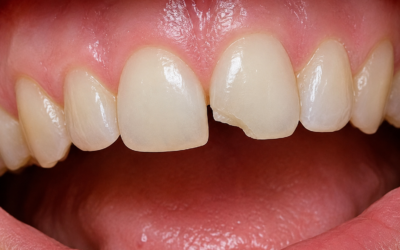
If your dentist identifies tooth decay, you may require a filling or another form of restoration.
Whether the treatment is covered, and how much the medical scheme contributes, depends on your benefit option and the rules that apply to the procedure.
It is important to distinguish between the clinical need for treatment and the amount your medical aid is prepared to pay.
Your dentist may recommend a treatment because it is appropriate for your tooth. Your medical scheme then determines its contribution according to your benefits and scheme rules.
Those two decisions are related, but they are not the same thing.
Tooth Extractions
An extraction may also be covered differently depending on your plan and the circumstances surrounding the treatment.
A straightforward extraction and a more complicated surgical procedure may not be treated identically by a medical scheme.
If an extraction is recommended, ask about the expected cost and check your available dental benefits before proceeding.
If you have significant pain or swelling, however, do not ignore the problem simply because you are uncertain about your benefits. An assessment can help establish what is happening and what options are available.
What About Emergency Dental Treatment?
Dental emergencies are an area where patients should be particularly careful about assumptions.
The fact that something is painful does not automatically mean that your medical aid will treat it as a Prescribed Minimum Benefit.
Under South Africa’s medical schemes framework, Prescribed Minimum Benefits, or PMBs, apply to defined medical conditions, including certain emergencies. The Council for Medical Schemes explains that PMBs cover specified diagnosis and treatment pairs, chronic conditions on the Chronic Disease List and medical emergencies.
Not every dental problem therefore becomes a PMB simply because it requires urgent attention.
Your medical scheme will consider the relevant diagnosis, treatment and applicable rules.
If you believe your situation may qualify for emergency or PMB-related cover, it is important to contact your medical scheme and ask how the claim will be handled.
What Are Prescribed Minimum Benefits?
Prescribed Minimum Benefits are healthcare benefits that medical schemes are legally required to provide for certain defined conditions.
They are established under the Medical Schemes Act and are intended to ensure that members have access to specified healthcare for qualifying conditions. The Council for Medical Schemes currently describes PMBs as covering emergency medical conditions, a defined group of diagnosis and treatment pairs, and chronic conditions included in the Chronic Disease List.
However, PMBs should not be misunderstood as a general promise that every medical or dental procedure will be paid for.
A condition has to meet the relevant PMB criteria, and the treatment must correspond with the applicable requirements.
This distinction is particularly important when discussing dental care.
Are All Dental Procedures Covered as PMBs?
No.
A dental procedure does not automatically qualify for PMB funding simply because it is necessary or because you are experiencing pain.
Whether PMB rules apply depends on the diagnosis and treatment involved.
The Council for Medical Schemes also notes that PMB funding is linked to defined conditions and treatment requirements rather than simply the fact that a patient has a particular symptom.
This is one reason why patients should not assume that their medical aid will pay for a dental procedure before checking their specific circumstances.
If your dental problem is not covered under your normal dental benefits or does not qualify under applicable PMB rules, you may still be responsible for the cost.
What Should You Check Before Visiting the Dentist?
Checking your medical aid before an appointment can make the financial side of dental treatment much easier to understand.
Your medical aid’s member portal, app, benefit guide or customer service team can usually provide information about your available benefits.
Before booking or proceeding with treatment, check:
- Whether your plan includes dental benefits.
- How much of your annual dental or day-to-day benefit remains.
- Whether the specific procedure is covered.
- Whether there is a waiting period or other restriction.
- Whether pre-authorisation is required.
- Whether there are annual or procedure-specific limits.
- Whether you need to use a particular provider or network.
- Whether you may have a co-payment or shortfall.
You should also check whether the information applies to the current benefit year. Medical aid benefits can change, and unused benefits do not necessarily carry over in the way patients expect.
What Is a Dental Benefit Limit?
A benefit limit is essentially a restriction on how much your medical scheme will contribute towards a particular category of healthcare during a specified period.
For example, your plan might provide a certain amount for dental treatment during a benefit year.
Once that allowance has been used, you may have to pay for additional treatment yourself unless another applicable benefit is available.
This is why it is possible for someone to say, “My medical aid covers fillings,” while another member on a different option says, “My medical aid does not cover my filling.”
Both experiences can be correct because the members may have different benefits.
What Is a Co-Payment?
A co-payment is an amount that you may have to pay yourself even though your medical aid contributes towards the treatment.
This can happen for several reasons.
For example, your medical scheme may pay according to a particular scheme rate while the healthcare provider charges a different fee. Your benefit may also only cover part of the procedure or may have a specific limit.
The exact rules depend on your scheme and benefit option.
Before treatment, ask what your estimated total cost will be and whether your medical aid has confirmed how much it will contribute.
This gives you a much clearer idea of what you may personally need to pay.
Why Your Dentist’s Price and Medical Aid’s Payment May Differ
Patients sometimes become frustrated when their dentist gives them one price but their medical aid says it will pay a different amount.
This does not necessarily mean that either party has made a mistake.
A dental practice charges for the professional service provided, while the medical scheme processes the claim according to its own rules, benefit structure and applicable reimbursement rates.
The difference between those amounts can become the patient’s responsibility.
This is particularly important when planning treatment that involves several procedures.
Rather than assuming that your medical aid will settle the entire account, find out what the scheme is likely to pay and whether you may have a shortfall.
Do You Need Medical Aid Authorisation for Dental Treatment?
Not every dental appointment requires pre-authorisation.
However, some medical schemes may require authorisation for particular procedures, depending on the benefit option and the treatment involved.
The rules can differ significantly between schemes.
If your treatment is extensive, ask your medical aid whether pre-authorisation is necessary before the procedure takes place.
Do not assume that your dentist automatically knows exactly what your individual medical aid plan requires.
Your dentist can provide information about the planned treatment, but your medical scheme is the best source for confirming your specific benefits and authorisation requirements.
What Is a Designated Service Provider?
Some medical schemes use designated service providers, commonly referred to as DSPs.
A DSP is a healthcare provider selected by a medical scheme to provide certain services to its members.
The Council for Medical Schemes explains that using a provider outside the designated network can sometimes result in a co-payment or another financial consequence, depending on the applicable benefit and circumstances.
This is another detail worth checking before treatment.
If your plan has network requirements, ask your medical aid whether the dentist you intend to visit falls within the relevant network and whether using another provider could affect your benefit.
Does Medical Aid Cover Cosmetic Dental Treatment?
Cosmetic dental procedures can be treated differently from treatment that addresses a dental health problem.
For example, a procedure undertaken primarily to improve the appearance of your smile may not receive the same benefit as treatment required to manage disease, decay or damage.
This is particularly important for procedures such as cosmetic whitening.
Do not assume that because a procedure is performed by a dentist, it will automatically be covered by your medical aid.
If you are considering cosmetic treatment, check your benefits first and ask whether the specific procedure is included.
What If Your Medical Aid Says the Treatment Is Not Covered?
It can be frustrating to discover that a treatment you need is not covered by your plan.
The first thing to do is find out exactly why the claim or benefit is being declined.
It may be because the treatment is excluded, because your annual benefit has been exhausted, because authorisation was not obtained, because the procedure falls outside the benefit available on your option, or because the claim was processed under a particular rule.
Ask your medical scheme for an explanation rather than simply assuming that you have no options.
If you believe the decision is incorrect, you can ask the scheme about its internal complaints or dispute process. The Council for Medical Schemes also provides consumer assistance and information about medical scheme complaints.
What Should You Ask Your Medical Aid?
Medical aid terminology can be confusing, particularly when you are already worried about a dental problem.
When you contact your scheme, explain the treatment you are considering and ask specific questions.
Useful questions include:
- Is this procedure covered on my current option?
- Which benefit will the claim come from?
- How much of that benefit do I have left?
- Is pre-authorisation required?
- Is there a specific provider or network I need to use?
- What tariff or rate will the scheme use?
- Will I have a co-payment?
- Are there annual limits that apply?
- Is there anything my dentist needs to include on the claim?
- Can you provide confirmation of the benefit in writing?
Getting clear answers before treatment can make it easier to budget and avoid misunderstandings later.
Need Help With a Dental Treatment Enquiry?
Complete the form below to tell Laomai Medical Centre about your dental concern and ask the team about arranging an assessment.
What Should You Check With Your Dentist?
Your medical aid is not the only part of the process worth understanding.
Once you have established your available benefits, speak to your dentist about the treatment itself.
Ask what has been identified, why the treatment is recommended and what the estimated cost will be.
If several clinically appropriate options exist, you can ask whether there are differences between them and how those options may affect your overall treatment.
It is also useful to ask whether additional appointments or procedures may be required.
This gives you two separate pieces of information:
Your dentist explains the clinical side of your treatment.
Your medical scheme explains the funding side.
You need both to understand your likely out-of-pocket expense.
What If You Have Used Your Dental Benefits?
Running out of dental benefits does not mean you should ignore a dental problem.
If you have used your available benefits, speak to your dentist about your situation and ask what treatment is clinically necessary.
Depending on your circumstances, it may be possible to discuss the urgency of different aspects of your treatment and plan appropriately.
However, this should never mean deliberately postponing treatment that your dentist considers urgent.
A painful or damaged tooth can sometimes worsen if it is left untreated, so financial concerns should be discussed openly rather than simply avoiding care.
Can You Claim Dental Treatment From Medical Aid Later?
This depends on your medical scheme’s rules and the type of treatment.
Some patients may assume they can simply pay for treatment themselves and submit the account later, but the amount reimbursed will still depend on their available benefits and the scheme’s rules.
If you are considering paying privately and claiming afterwards, check with your medical aid first.
Ask what documentation is required and whether there are any submission deadlines.
It is better to understand the process before paying than to discover afterwards that the treatment was excluded or that the claim cannot be reimbursed as expected.
Why Checking Your Benefits Before Treatment Matters
Nobody wants to receive an unexpected dental bill.
Taking a few minutes to check your medical aid benefits can give you a much clearer idea of what to expect.
This is especially important if you have not used your dental benefits recently, if you have changed medical aid options, or if you are planning more extensive treatment.
Your benefit information can also change from one year to the next, so information you received previously may no longer apply.
When in doubt, contact your medical scheme directly and ask for confirmation based on your current option.
Medical Aid Does Not Replace Regular Dental Care
It is also worth separating two questions that patients often combine.
The first is, “Will my medical aid pay for this?”
The second is, “Do I need this treatment?”
The second question should always come first.
A dental procedure should be recommended because it is appropriate for your oral health, not simply because your medical aid happens to cover it.
Likewise, a necessary dental examination should not automatically be avoided because you are worried that your medical aid may not pay for everything.
An assessment gives you information about your actual dental health.
Once you know what is happening, you can then consider your treatment options and the financial side of those options.
Medical Aid and Dental Treatment: What Patients Should Remember
So, does medical aid cover dental treatment in South Africa?
It can, but the answer depends on your specific medical scheme and benefit option.
There is no single dental benefit that applies to every medical aid member. Routine care, restorative treatment, emergency care and cosmetic procedures can all be treated differently, while factors such as annual limits, available funds, authorisation requirements, provider networks and co-payments can affect what you ultimately pay.
Prescribed Minimum Benefits are another important part of the South African medical schemes system, but they apply to defined conditions and treatment requirements. They should not be interpreted as automatic cover for every dental procedure.
The safest approach is therefore straightforward: check your current medical aid benefits, ask whether the treatment is covered, find out whether authorisation is required and confirm whether you may have a co-payment.
Then speak to your dentist about the treatment itself and request an estimate based on your individual needs.
At Laomai Medical Centre, patients can discuss their dental concerns with the team and take the next step towards understanding their oral health and available treatment options.
Ready to Arrange a Dental Consultation?
Fill in the form below to request an appointment with Laomai Medical Centre and discuss your dental needs with the team.