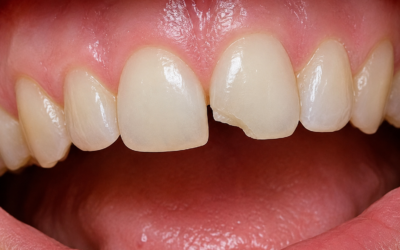
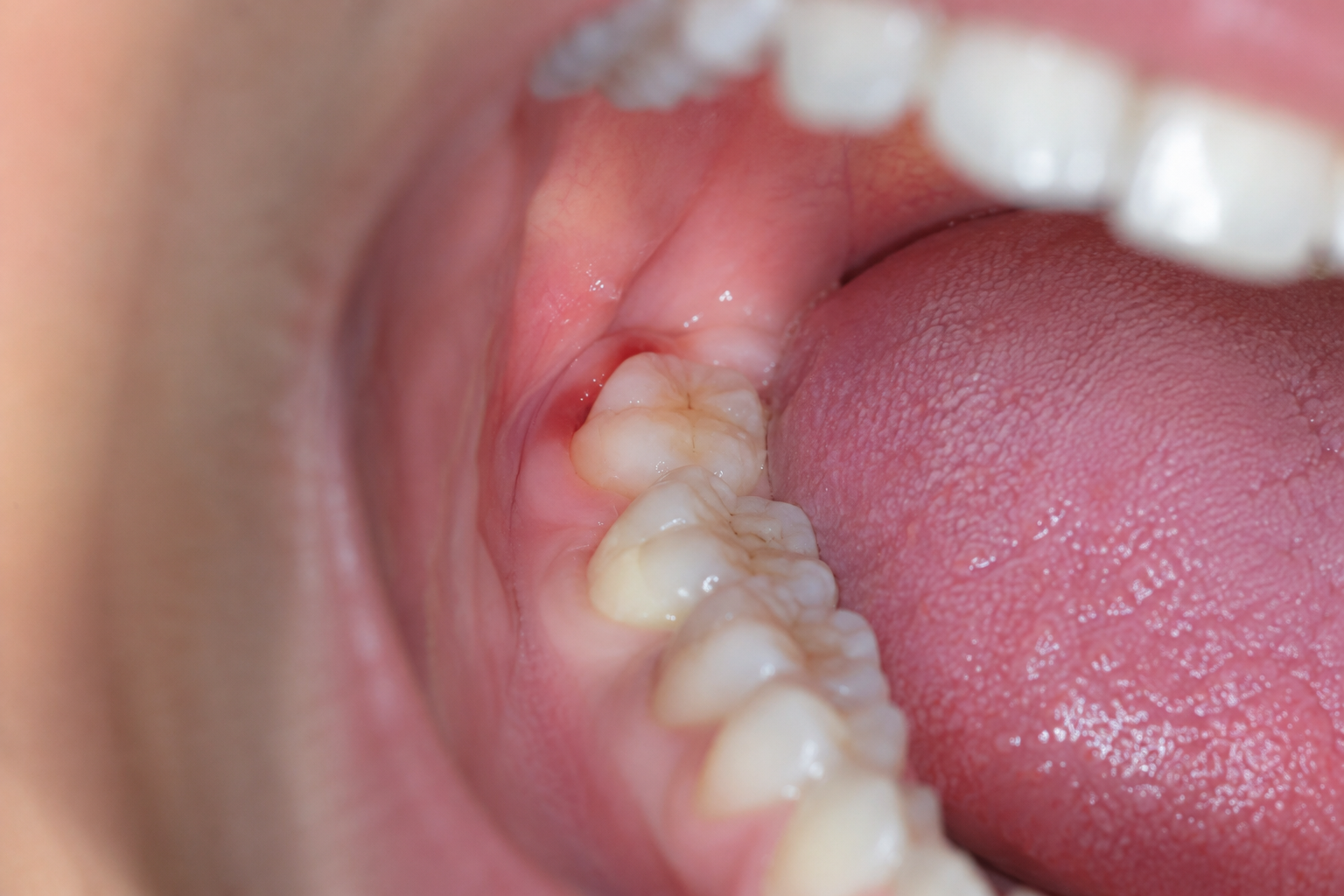
If you have been told that your wisdom tooth may need to be removed, one of the first things you are likely to ask is, “How much is it going to cost?”
Unfortunately, there is no single price that applies to every wisdom tooth removal. Some wisdom teeth have erupted fully and can be removed in much the same way as a straightforward tooth extraction. Others are partially erupted, impacted, angled into the neighbouring tooth or positioned underneath the gum, making the procedure considerably more involved.
That difference can have a major effect on the final cost.
The amount you pay can also depend on whether you need a consultation beforehand, whether dental X-rays are required, how many wisdom teeth are being removed, whether the procedure is a simple or surgical extraction, and whether additional treatment is necessary.
This is why a price you find online should be treated as a starting point rather than a guaranteed quotation.
In this guide, we will look at the estimated cost of wisdom tooth removal in Pretoria, what makes some extractions more expensive than others, what you may need to budget for before and after the procedure, and what questions are worth asking before you agree to treatment.
Most importantly, the cost should be considered alongside the condition of the tooth. A wisdom tooth should not be removed simply because it exists. If it is healthy and not causing problems, it may be monitored. When it is repeatedly painful, infected, decayed or creating problems for neighbouring teeth, removal may be recommended following an assessment.
Request Your Wisdom Tooth Removal Quote
Fill in the form below to request an appointment and get a clearer idea of the treatment and costs involved.
How Much Does Wisdom Tooth Removal Cost in Pretoria?
As a general budgeting guide, wisdom tooth removal may cost approximately R1,500 to R4,500 or more per tooth, depending on how straightforward or complicated the procedure is.
A fully erupted wisdom tooth that can be removed relatively easily may fall towards the lower end of the range. An impacted wisdom tooth that requires surgical removal can be considerably more expensive because the dentist may need to work through the gum, remove surrounding bone or divide the tooth into sections before it can be removed.
For budgeting purposes, you may come across estimates along these lines:
| Type of wisdom tooth removal | Estimated price range |
|---|---|
| Consultation and assessment | R400 – R800 |
| Dental X-ray | R250 – R700 |
| Straightforward erupted wisdom tooth | R1,000 – R2,000 |
| More difficult wisdom tooth extraction | R1,500 – R3,000 |
| Surgical or impacted wisdom tooth removal | R2,000 – R4,500+ |
| Multiple or particularly complex surgical removals | May exceed R4,500 per tooth |
These figures are general estimates for budgeting purposes, not fixed Laomai Medical Centre prices or a quotation. The actual fee can only be established after the tooth has been assessed and the dentist knows what type of procedure is likely to be required.
It is also worth remembering that the cheapest-looking extraction price is not necessarily the cheapest overall treatment. If a consultation, X-ray, surgical procedure, medication or follow-up care is needed, those costs may form part of the total amount you spend.
Why Does Wisdom Tooth Removal Cost More Than a Normal Extraction?
The phrase “wisdom tooth extraction” covers a surprisingly wide range of procedures.
A wisdom tooth can sometimes look and behave like an ordinary tooth. If it has erupted completely, is accessible and has a relatively uncomplicated root structure, removal may be fairly straightforward.
Another wisdom tooth can be almost completely hidden beneath the gum. It may be lying sideways against the second molar, partially covered by bone or positioned close to important structures in the jaw.
The dentist cannot treat those two situations in exactly the same way.
Surgical removal can involve additional steps such as making an incision in the gum, removing a small amount of bone, dividing the tooth into sections and then closing the area with stitches. These additional steps require more time and technical skill, which is one of the main reasons a surgical extraction costs more.
Simple Wisdom Tooth Removal vs Surgical Removal
Understanding this distinction is probably the most useful thing you can do when comparing prices.
A simple extraction is generally possible when the wisdom tooth has erupted sufficiently and can be accessed with dental instruments. The dentist can loosen the tooth and remove it without needing extensive surgery.
A surgical extraction is more involved. It may be necessary when the tooth is impacted, partly covered by gum or bone, severely broken down or positioned in a way that makes ordinary extraction impractical.
During surgical removal, the dentist may need to open the gum to gain access to the tooth. In some cases, surrounding bone may need to be removed and the tooth may be divided into smaller sections so it can be removed safely.
That is why asking only, “How much does a wisdom tooth cost?” does not provide enough information.
The more useful question is:
“What type of wisdom tooth removal do I need?”
How Much Does a Straightforward Wisdom Tooth Extraction Cost?
For a wisdom tooth that has erupted normally and is relatively easy to access, a reasonable general budgeting estimate would be around R1,000 to R2,000 per tooth.
The actual price can still vary according to the practice, the assessment required and the specific circumstances.
A fully erupted upper wisdom tooth, for example, may be much easier to access than a lower wisdom tooth that has only partly emerged.
The roots can also affect the difficulty of the procedure. Even when the crown of the tooth is visible, the dentist still needs to consider what is happening below the gum.
This is why the assessment comes first. Once the dentist has examined the tooth and determined how straightforward the removal is likely to be, the estimate becomes much more meaningful.
How Much Does an Impacted Wisdom Tooth Removal Cost?
Impacted wisdom teeth generally require more planning and may require surgical removal.
For budgeting purposes, an impacted or surgical wisdom tooth removal may fall around R2,000 to R4,500 or more per tooth.
An impacted tooth is one that cannot erupt normally because it is blocked or positioned in a way that prevents it from coming through properly. It may be trapped underneath the gum or bone, or it may grow at an angle towards the tooth in front of it.
Not every impacted wisdom tooth needs to be removed simply because it is impacted.
If an impacted tooth is healthy and not causing disease or other problems, the dentist may decide that monitoring is appropriate. Removal is generally considered when there are clinical reasons to do so, such as repeated infection, significant decay, damage to the neighbouring tooth or other pathology.
This distinction is important because an X-ray showing an impacted wisdom tooth does not automatically mean you need surgery.
What Makes an Impacted Wisdom Tooth More Expensive to Remove?
Two impacted wisdom teeth can look very different on an X-ray.
One might be partially erupted and relatively accessible. Another might be deeply positioned in the jaw and angled towards the second molar.
The depth of the tooth, its angle, the amount of bone covering it and the shape and position of its roots can all affect the complexity of the procedure.
The relationship between the roots of a lower wisdom tooth and nearby nerves may also need to be considered. In some cases, additional imaging may be recommended to understand the anatomy more clearly before treatment.
This is one reason that a dentist should not give you a definitive surgical price based solely on your description of the tooth.
An X-ray and clinical examination provide information that simply cannot be obtained from symptoms alone.
Does the Position of the Wisdom Tooth Affect the Price?
Yes.
A wisdom tooth at the very back of the mouth can already be more difficult to access than a tooth closer to the front.
If it is angled, partially erupted or trapped beneath the gum, the dentist may have less room to work.
The upper and lower wisdom teeth can also present different challenges. The surrounding anatomy and the position of the roots need to be considered for each tooth individually.
A dentist may therefore quote different amounts for different wisdom teeth in the same patient.
This can seem strange when you are expecting “four wisdom teeth” to mean four identical procedures, but the teeth do not necessarily have the same position or level of difficulty.
Does a Wisdom Tooth X-Ray Cost Extra?
It may.
Before removing a wisdom tooth, your dentist may recommend an X-ray to assess its position and roots.
This is particularly useful when the tooth has not erupted fully or appears impacted. The dentist needs to know what is happening below the gum before deciding how the tooth should be removed.
A basic dental X-ray may be relatively inexpensive, while more advanced imaging can cost more if it is clinically necessary.
The important point is to ask whether imaging is included in the quoted treatment price or charged separately.
A price that initially looks low can be misleading if essential diagnostic costs have not been included.
Why Is an X-Ray Important Before Wisdom Tooth Removal?
An X-ray is not simply another step added to your bill.
It can help the dentist plan the procedure safely.
The visible part of a wisdom tooth only tells part of the story. The roots may be curved, the tooth may be angled, and the relationship between the tooth and surrounding bone or structures may influence how it should be removed.
This is particularly important with lower wisdom teeth, where the roots can be close to a nerve that supplies sensation to areas including the lower lip and chin. In situations where the relationship appears particularly close, additional three-dimensional imaging may sometimes be considered.
The dentist can then use this information to discuss the risks, expected complexity and most appropriate approach before treatment begins.
Does the Number of Wisdom Teeth Affect the Cost?
Yes, although the relationship is not always as simple as multiplying one extraction price by four.
If you need several wisdom teeth removed, each tooth still needs to be assessed because they may not all have the same level of difficulty.
One might be fully erupted and straightforward, while another could be impacted and require surgery.
There can also be practical differences when several teeth are treated during the same overall treatment plan. Depending on how the procedure is organised, some consultation, imaging, facility or sedation costs may not need to be duplicated in exactly the same way.
This is something to discuss with the dental team before treatment.
If you have been advised to remove multiple wisdom teeth, ask for a complete treatment estimate rather than assuming that the cost of one tooth can simply be multiplied by the number of teeth.
How Much Does It Cost to Remove All Four Wisdom Teeth?
There is no single price for removing all four wisdom teeth because the complexity of each tooth matters.
If all four have erupted normally and can be removed relatively simply, the total may be considerably lower than if several are impacted and require surgical removal.
As a very broad budgeting exercise, patients having several wisdom teeth removed may need to prepare for several thousand rand, with complex cases potentially costing significantly more.
The final figure depends on the individual treatment plan.
It is particularly important to establish whether the quoted amount covers the actual extractions only or also includes consultation, X-rays, sedation, facility fees, medication and follow-up care.
If four teeth are being removed, even small additional costs can make a noticeable difference to the total bill.
Does Sedation Increase the Cost of Wisdom Tooth Removal?
It can.
Many wisdom teeth can be removed using local anaesthetic, meaning the area is numbed while you remain awake.
More complicated procedures or patients with significant dental anxiety may sometimes require additional forms of sedation, depending on the treatment setting and the clinical circumstances.
Sedation can introduce additional costs because of the medication, equipment, monitoring or involvement of another healthcare professional where applicable.
General anaesthesia is a different level of care and may involve facility and anaesthetic costs that are separate from the dental procedure itself.
You should therefore ask exactly what type of anaesthesia or sedation is being recommended and whether it is included in your quotation.
Do not assume that a quoted “wisdom tooth removal price” automatically includes every sedation-related cost.
Does Dental Anxiety Affect the Price?
Being anxious about wisdom tooth removal does not necessarily mean your treatment will cost more.
However, if additional sedation is clinically appropriate or specifically arranged to help you manage the procedure, that may affect the overall cost.
The best thing to do is tell the dental team if you are extremely nervous.
Dental anxiety is common, and there is no benefit in pretending that you are comfortable when you are not. Discussing your concerns beforehand allows the dental team to explain the procedure and, where appropriate, discuss ways of making the experience easier.
In some cases, understanding exactly what will happen is enough to make the appointment feel much less intimidating.
Can an Infected Wisdom Tooth Cost More to Treat?
It can, depending on what is happening.
Wisdom teeth that are partially erupted can develop inflammation of the surrounding gum, known as pericoronitis. Pain, swelling, food trapping and an unpleasant taste can occur when the area becomes inflamed or infected.
If there is significant infection or swelling, the dentist may first need to manage the immediate problem before carrying out definitive treatment.
That does not mean that every painful wisdom tooth will require antibiotics or several separate appointments. The appropriate approach depends on the clinical findings.
However, infection can make the overall treatment plan more complicated, which is another reason not to wait until the tooth becomes extremely painful before arranging an assessment.
Can a Wisdom Tooth Be Removed If It Does Not Hurt?
Sometimes, but the decision should be based on the condition of the tooth rather than simply whether it hurts.
Some wisdom teeth remain impacted or partially erupted without causing obvious symptoms for a long time.
However, a lack of pain does not necessarily mean there is no disease. A wisdom tooth can be associated with decay, gum problems, damage to the neighbouring tooth or other pathology without producing dramatic symptoms.
At the same time, a healthy wisdom tooth that is not causing problems may not need to be removed at all. Current guidance generally recommends against routine removal of symptom-free wisdom teeth without a clinical reason.
That is why an examination is more useful than trying to make the decision based on pain alone.
What Are the Main Reasons Wisdom Teeth Are Removed?
Wisdom teeth are generally removed because they are causing a problem or because examination shows disease or a meaningful clinical reason for removal.
Repeated inflammation around a partially erupted tooth is one common reason. Decay in the wisdom tooth or the neighbouring molar can also be a concern, particularly when the position of the wisdom tooth makes cleaning difficult.
An abscess, gum disease around the tooth, damage to the tooth in front, cystic changes or other pathology can also lead to a recommendation for removal.
The important thing is that removal should have a reason.
If your dentist recommends taking out a wisdom tooth, ask what problem the tooth is currently causing and what they expect to happen if it is left in place.
That conversation can help you understand whether removal is being recommended as an immediate necessity, a preventative measure based on a specific risk, or because the tooth is already causing damage.
What Is Included in a Wisdom Tooth Removal Quote?
Before you agree to treatment, it is worth finding out exactly what the quoted amount covers.
A dental quotation may refer only to the extraction itself, while other practices may provide a more comprehensive estimate that includes some of the associated costs.
Ask whether the quote includes the consultation, required X-rays, local anaesthetic, the removal procedure, sutures if required, medication and follow-up care.
If sedation or more advanced imaging is being considered, ask whether those costs are included or billed separately.
This is especially important when comparing prices between different practices.
A quote of R2,000 from one practice and R3,000 from another does not necessarily mean the first practice is cheaper. The two amounts may cover different parts of the treatment.
Comparing like with like gives you a much more useful picture.
Request a Custom Wisdom Tooth Removal Quote
Fill in the form below to request a personalised quote based on your wisdom tooth and the treatment you may need.
Does Medical Aid Cover Wisdom Tooth Removal?
Whether your medical aid contributes towards wisdom tooth removal depends on your specific scheme, plan and available dental benefits.
Some patients have dental benefits that may contribute towards certain extractions, while others may have limited cover or no available benefit remaining.
There may also be differences between what the dental practice charges and what your medical scheme is prepared to reimburse.
This means that being on medical aid does not automatically mean that wisdom tooth removal will be free.
Your scheme may apply annual limits, procedure-specific benefits, scheme rates or authorisation requirements.
Before treatment, it is worth contacting your medical aid and asking specifically about wisdom tooth removal rather than simply asking whether you have “dental cover”.
What Should You Ask Your Medical Aid Before Wisdom Tooth Removal?
If you intend to claim from your medical aid, find out how much of your dental benefit remains for the year and whether wisdom tooth extraction is covered under your particular plan.
Ask whether the procedure requires pre-authorisation and whether the scheme has a specific tariff or reimbursement rate.
You should also find out whether X-rays, consultations, surgical extraction and sedation are treated as separate benefits.
These questions can help you anticipate whether there will be a co-payment or shortfall.
It is much easier to budget for treatment when you know what your medical aid is likely to contribute before the procedure takes place.
What If You Are Paying Privately?
Private patients can still ask for a detailed treatment estimate before agreeing to wisdom tooth removal.
In fact, this is often one of the most useful things you can do when budgeting.
Ask the practice to explain the expected procedure and the likely total cost rather than simply giving you a price for “wisdom tooth extraction”.
If an X-ray is needed, find out what it costs.
If the tooth is impacted and surgery is expected, ask whether the quoted price includes the surgical component and any associated materials.
If sedation is being considered, ask whether that is a separate charge.
The clearer the quotation, the easier it is to compare your options and avoid unexpected costs.
Why the Cheapest Wisdom Tooth Removal Is Not Always the Best Option
Price matters, especially when you are paying for treatment yourself.
But wisdom tooth removal is not a procedure where choosing the lowest advertised number should necessarily be your only consideration.
The dentist needs to assess the tooth properly, understand its position and determine how it can be removed safely.
A very low price may not include the consultation, imaging or other parts of the treatment you actually need.
There is also a difference between finding an affordable dental practice and choosing treatment based purely on the cheapest figure you see online.
Look at the overall treatment plan.
You want to know what you are paying for, what the dentist expects to do, what risks have been identified and what you should expect during recovery.
What Happens During Wisdom Tooth Removal?
The procedure depends on whether the tooth is straightforward or impacted.
For a simple extraction, the area is numbed with local anaesthetic and the dentist loosens and removes the tooth.
For a surgical removal, the process can involve opening the gum, removing a small amount of bone and dividing the tooth into sections before removing it. Stitches may be required afterwards.
The actual procedure may be relatively quick, but the appointment can take longer when preparation, imaging and post-treatment instructions are included.
You will normally be given information about caring for the area afterwards.
It is worth asking about recovery before the procedure so that you can plan appropriately, particularly if you have work, school, exams or other commitments.
How Long Does It Take to Remove a Wisdom Tooth?
A simple wisdom tooth may take only a short time to remove once the area is numb.
A difficult impacted tooth can take considerably longer because the dentist may need to expose more of the tooth, remove surrounding bone or section the tooth before it can be taken out.
The complexity of the procedure therefore affects both the time involved and potentially the price.
If you are having several wisdom teeth removed, the appointment may naturally take longer than a single uncomplicated extraction.
Your dentist should be able to give you a general idea of what to expect once they have assessed your teeth.
What Happens After Wisdom Tooth Removal?
Some soreness and swelling after wisdom tooth removal are normal, particularly after a surgical extraction.
The first few days are usually when the area feels most uncomfortable, and your dentist will provide instructions for keeping the site clean and allowing it to heal properly.
You may need to eat softer foods temporarily and avoid disturbing the extraction site. If you have stitches, you will be told what to expect from them and whether a follow-up appointment is required.
Recovery can vary considerably from one patient to another. A straightforward extraction may settle relatively quickly, while a more difficult surgical removal can leave the jaw feeling sore or stiff for longer.
Planning for recovery is another reason why understanding the full treatment is useful before focusing only on its price.
Can Wisdom Tooth Removal Have Complications?
Wisdom tooth removal is a common procedure, but like any dental treatment, it is not completely risk-free.
Possible complications include infection, bleeding, dry socket and, in some cases, temporary or longer-lasting altered sensation if nerves near a lower wisdom tooth are affected. The individual risks depend heavily on the position of the tooth and the complexity of the removal.
This does not mean you should be frightened of having a wisdom tooth removed.
It means that the dentist should assess the tooth carefully and explain the relevant risks before treatment.
If your wisdom tooth is close to an important nerve, for example, the treatment plan may require additional consideration or imaging.
Understanding these factors is part of making an informed decision, just as understanding the cost is.
What If You Only Have Wisdom Tooth Pain?
Wisdom tooth pain can be confusing because it does not always feel like a serious dental problem at first. You might notice a dull ache at the very back of your jaw when you chew, a tender patch of gum around the tooth or a feeling of pressure that comes and goes. Sometimes the discomfort lasts for a day or two and then disappears completely.
That does not necessarily mean the tooth is healthy, but it also does not mean that you automatically need to have it removed. Wisdom teeth can become uncomfortable while they are erupting, particularly if there is limited space available at the back of the mouth. The gum surrounding a partially erupted tooth can also become irritated when food and plaque collect around it.
Where things become more concerning is when the same tooth repeatedly causes trouble. You may find yourself experiencing several episodes of pain over a few months, constantly having to clean food from around the tooth or noticing that the gum becomes tender whenever you are run down. Even if each episode eventually settles, the pattern can suggest that the tooth is struggling to erupt properly or that the area is difficult to keep clean.
It is also worth considering whether the pain is actually coming from the wisdom tooth. Pain at the back of the mouth can sometimes be caused by decay in the wisdom tooth or the molar next to it, gum inflammation or another dental problem. Because several structures are close together in this area, trying to identify the source based on pain alone can be surprisingly difficult.
If you are experiencing wisdom tooth pain, it is worth paying attention to how often it occurs, how severe it becomes and whether other symptoms appear alongside it. There are signs that the pain needs a dental assessment, particularly when it keeps returning, becomes more severe or is accompanied by swelling, tenderness or difficulty opening your mouth.
A dental examination gives you a much clearer answer. The dentist can look at the tooth and surrounding gum and, where necessary, use an X-ray to see how the wisdom tooth is positioned. From there, you can find out whether the tooth simply needs monitoring, whether the area requires treatment or whether removal should be considered.
What If You Were Told You Need Wisdom Tooth Removal?
If another dentist has already recommended removal, you do not necessarily need to walk into your next appointment knowing exactly which procedure you need.
Bring any relevant X-rays or treatment information with you if you have them.
Ask the dentist to explain why removal is recommended, whether the tooth is impacted, whether it requires a surgical extraction and whether the neighbouring tooth is affected.
Then ask for an estimate of the total expected cost.
You can also ask what happens if you delay treatment, whether there are appropriate alternatives and what the expected recovery will be.
These questions can make the appointment much more productive and give you a clearer understanding of what you are actually paying for.
How Much Should You Budget for Wisdom Tooth Removal in Pretoria?
If you are trying to work out a sensible budget before making an appointment, R1,500 to R4,500 or more per wisdom tooth is a reasonable broad starting range for planning purposes.
A straightforward erupted wisdom tooth may be towards the lower end.
A difficult or surgical extraction may be considerably higher.
If the tooth is deeply impacted, close to important anatomical structures, requires additional imaging or involves other complications, the final cost can move beyond the upper end of a general estimate.
If multiple wisdom teeth need to be removed, the total cost will naturally be higher, although the exact calculation depends on the individual treatment plan.
Remember that consultation and X-ray costs may be separate from the extraction fee, and sedation or other additional services can also affect the total.
These are general estimates rather than official Laomai Medical Centre fees, so they should be used to prepare a budget rather than as a quotation.
How to Get an Accurate Wisdom Tooth Removal Price
The most reliable way to find out what your wisdom tooth removal will cost is to have the tooth assessed.
A dentist can determine whether the tooth actually needs to be removed, whether it is fully erupted or impacted, how complicated the extraction is likely to be and whether additional imaging is necessary.
Once those factors are known, you can ask for a treatment estimate that reflects your specific situation.
This is far more useful than relying on a generic online figure.
When requesting the estimate, ask for the total expected cost, including any consultation, imaging or additional procedure that the dentist already knows you are likely to need.
That way, you can budget for the treatment as a whole rather than being surprised by separate charges later.
Should You Remove a Wisdom Tooth Just Because It Is Impacted?
Not necessarily.
An impacted wisdom tooth can remain in the jaw without causing problems, and current clinical guidance does not support automatically removing every symptom-free impacted wisdom tooth. Removal is generally considered when there is disease, repeated problems or another clear clinical reason.
However, if the tooth is causing repeated infections, decay, damage to the neighbouring tooth, significant pain or another problem, removal may be recommended.
This is why the assessment matters.
The question is not simply whether the tooth is impacted.
The more useful question is:
“Is this wisdom tooth causing, or likely to cause, a problem that makes removal worthwhile?”
Why an Assessment Should Come Before a Price
It is tempting to start with the price because that is often the information patients want most.
But with wisdom teeth, the diagnosis and treatment plan come first.
A dentist cannot know whether you need a simple extraction or surgical removal without understanding the position and condition of the tooth.
That assessment also protects you from paying for a procedure you may not actually need.
If the tooth is healthy and not causing problems, monitoring may be appropriate. If it is repeatedly infected or damaging the tooth next to it, removal may be the more sensible option.
Once the dentist knows what is happening, the cost becomes much easier to estimate.
Wisdom Tooth Removal Cost in Pretoria: The Bottom Line
There is no single price for wisdom tooth removal because wisdom teeth are not all the same.
For general budgeting, you may want to allow approximately R1,500 to R4,500 or more per tooth, with straightforward erupted teeth generally costing less than impacted or surgically removed wisdom teeth.
The final price can be influenced by the position of the tooth, the complexity of the roots, whether the tooth is impacted, whether surgery is required, the number of teeth being removed, dental imaging, sedation and any additional treatment.
Medical aid may contribute towards some dental treatment depending on your plan, but you should confirm your specific benefits and possible co-payments before treatment.
Most importantly, do not choose a treatment based solely on an online price.
A wisdom tooth should first be assessed so that you know whether removal is actually necessary and what type of procedure you are likely to need.
If you are experiencing wisdom tooth pain, repeated swelling, food trapping or another problem at the back of your mouth, getting it assessed can give you a much clearer idea of both your treatment options and your expected costs.
Laomai Medical Centre can assess your wisdom tooth and discuss the appropriate treatment with you before you proceed.
Request a Wisdom Tooth Assessment & Quote
Fill in the form below to tell our team about your wisdom tooth and request an assessment and treatment estimate.